Documentation That Holds Up When a Claim Gets Reviewed
A storm damage claim moves faster and more predictably when the documentation is thorough and organized before an adjuster ever sees the roof. We build that record from the contractor side: photos, measurements, and written findings that describe roof condition factually, without promising how a carrier will ultimately rule on the claim.
What Adjusters Actually Need to See
An adjuster reviewing a commercial roof claim needs more than a general statement that damage occurred. They need specific, dated documentation: photo evidence organized by roof section, measurements of affected area, and a clear description of what type of damage is present at each location.
We format our documentation the way we understand adjusters typically want to review it, with photos keyed to a roof diagram or section reference rather than a loose photo dump, since that organization makes the review process faster and reduces back-and-forth requests for clarification.
Every photo carries a timestamp and, where relevant, a wide reference shot showing where on the roof it was taken. That level of organization matters most on larger buildings, where a folder of a hundred unlabeled photos is far less useful to an adjuster than fifteen well-labeled ones that tell a clear story section by section.
Building the Evidence Package After a Hail Event
In a market where hail events happen with real regularity along this stretch of the Front Range, the documentation process benefits from moving quickly after a storm, before weather or continued roof traffic changes the condition of the evidence. We prioritize documentation visits in the days immediately following a significant hail event for that reason.
The package we build includes wide shots establishing overall roof condition, close-up shots of individual impact points, and any relevant context like recent maintenance history that helps establish what condition the roof was in before the storm in question.
Separating Storm Damage From Wear and Prior Repairs
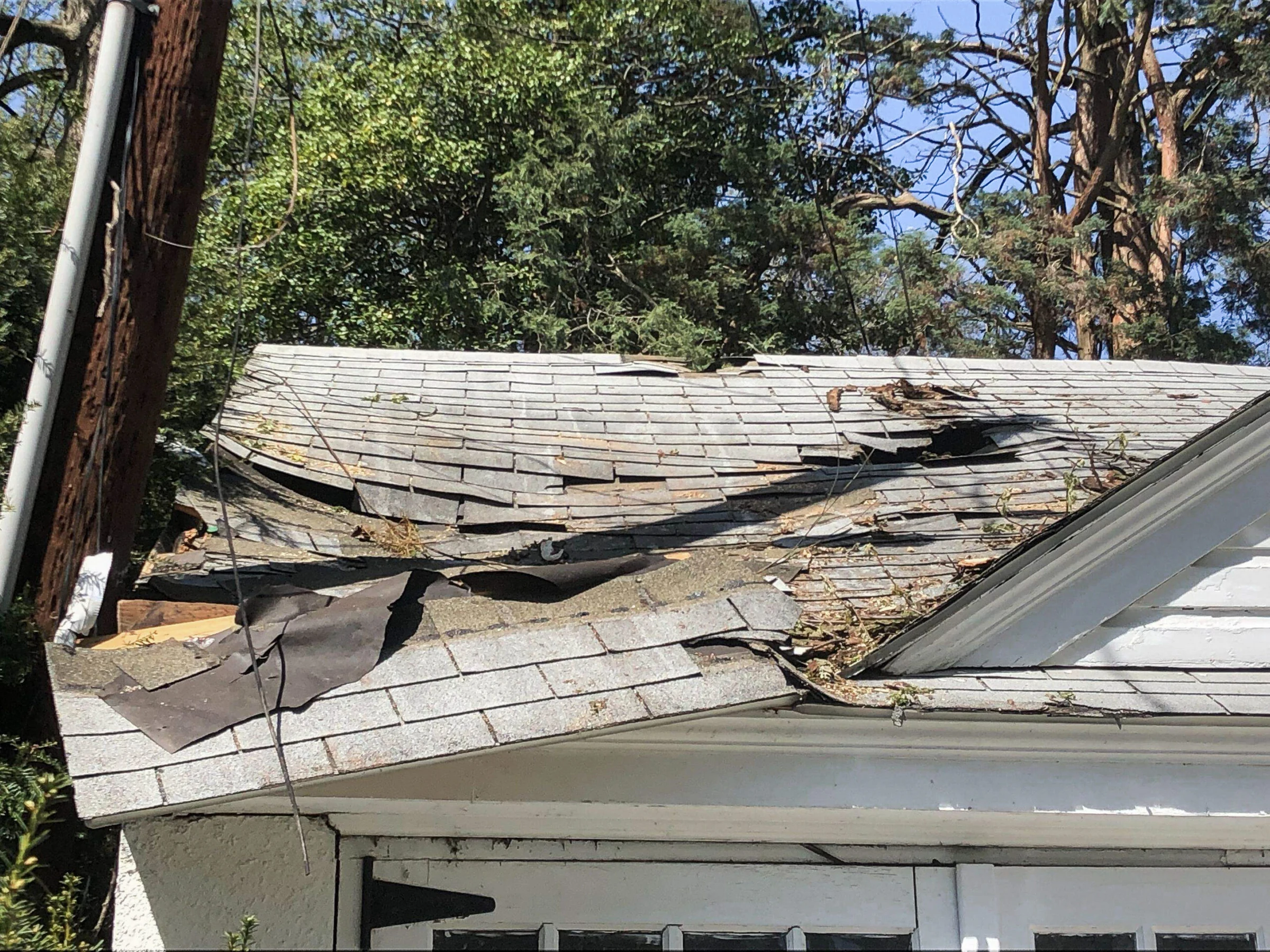
One of the more difficult parts of documentation is drawing a clear line between damage from the storm being claimed and pre-existing wear, prior repairs, or damage from an earlier, separate event. We look for the specific visual characteristics that distinguish fresh hail impact from older granule loss or a previously patched area.
Where a roof has an existing maintenance or inspection history with us, that record becomes valuable evidence in its own right, since it establishes a documented baseline condition before the storm rather than relying entirely on visual assessment after the fact. Without that baseline, we still note visible weathering or prior patch work honestly, rather than presenting an aged roof as though the entire condition traces back to a single storm date.
- Wide and close-up photos organized by roof section
- Measurements of affected area for each identified damage type
- Written findings distinguishing storm damage from prior wear
- Comparison against any existing inspection or maintenance history
- Dated documentation timed close to the storm event itself
- Repair scope and cost estimate for the documented damage
Working Alongside the Adjuster Without Overstepping
We can be present during an adjuster's roof inspection if the building owner wants a contractor on site to answer technical questions about the roof system or point out specific damage locations. Our role in that meeting is describing what we found and how the roof system works, not negotiating claim value or predicting the outcome.
We don't tell owners what a claim will be approved for, because that determination sits with the carrier and adjuster, not with the roofing contractor. What we can control is making sure the documentation supporting the claim is complete and clearly presented.
Keeping Records for Future Claims and Resale
Documentation built for one claim has value well beyond that single event. A building with an organized history of storm documentation, repairs, and maintenance visits gives a future buyer, lender, or new adjuster a clear picture of the roof's condition and history rather than a blank record.
We keep documentation on file by building and by date, so if a second storm hits the same roof in a later season, we can show what was already repaired versus what represents new damage, which matters for keeping separate claims from getting tangled together.
For a broader look at how the full claim process works, from the adjuster meeting through a denied or underpaid claim, see our commercial roof insurance claim assistance page.
Insurance Documentation Questions
Can you guarantee my claim will be approved?
No, and any contractor who tells you that isn't being straight with you. We document roof condition and damage thoroughly and factually. The approval decision belongs to your insurance carrier based on your policy terms.
Do you work directly with insurance adjusters?
We can be present during an adjuster's site visit to answer technical questions about the roof system and point out documented damage. We coordinate scheduling with the building owner and the adjuster's office directly.
How soon after a storm should documentation happen?
As soon as reasonably possible. Evidence is clearest closest to the event, before weather or continued roof access changes conditions, so we prioritize documentation visits in the days right after a significant storm.
What if my roof had prior damage before this storm?
We document what we can identify as pre-existing versus what appears consistent with the current storm event, based on the visual characteristics of each. An existing maintenance or inspection record with us makes that distinction more reliable.
Will you provide a repair estimate along with the damage documentation?
Yes. We include a repair scope and cost estimate as part of the documentation package, which the owner can submit alongside the damage findings.