Commercial Roof Insurance Claim Assistance in Aurora, CO
Most calls we get about a commercial roof claim don't start with "we're filing a claim." They start with a building manager holding a stack of adjuster paperwork after a storm has already come and gone, unsure what documentation the carrier actually wants or whether the scope on the table covers everything the roof needs. We work that side of the process: inspecting the roof, building the record, and making sure the claim reflects what's really wrong up there.
What a Commercial Roof Claim Actually Requires From the Roof Side
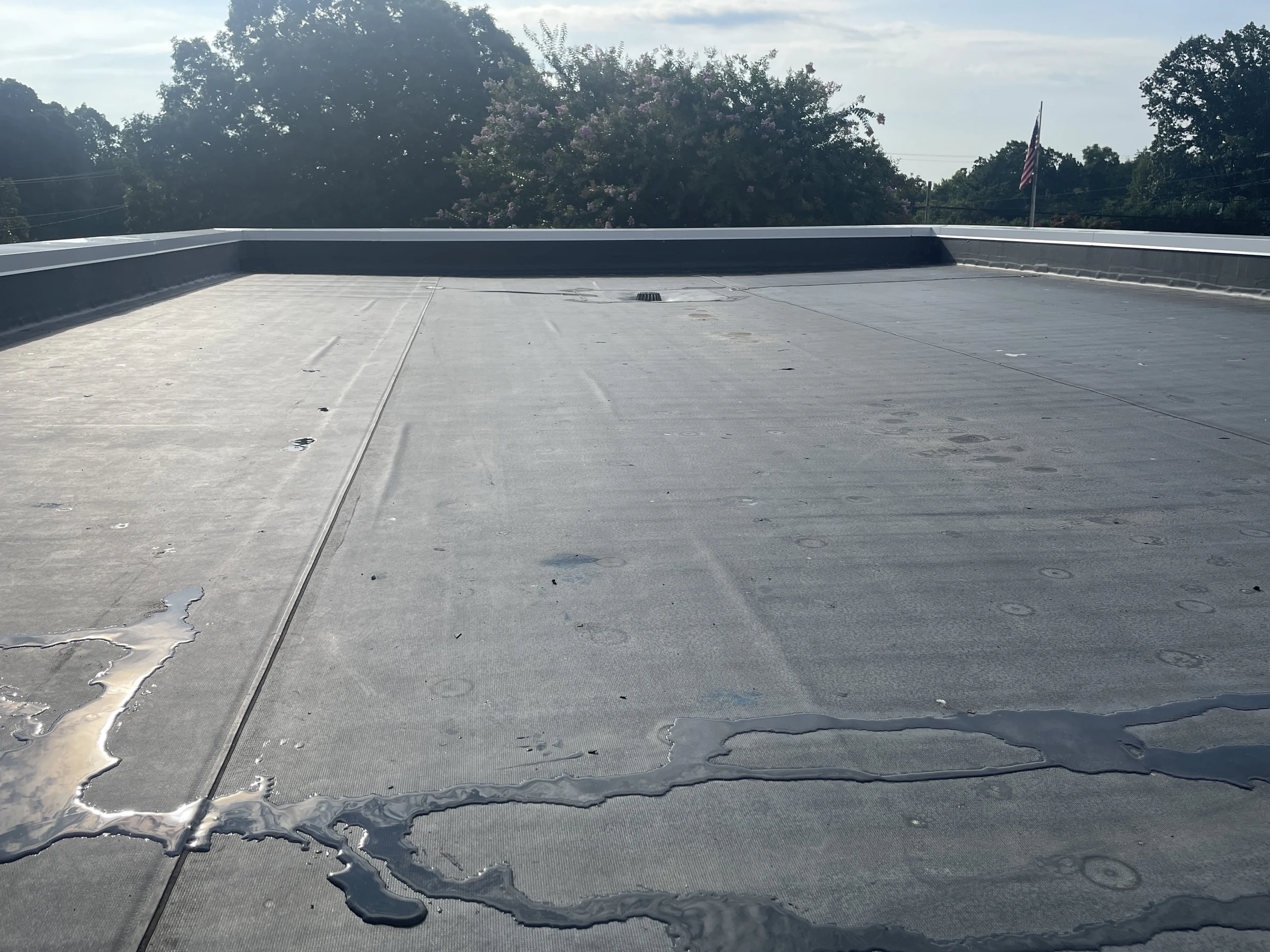
A commercial roof claim lives or dies on specifics. A carrier isn't working from a general statement that a storm happened; it's working from dated photos, measured damage areas, and a written description of what type of failure is present at each location on the roof. That's the part we control directly, and it's the part that determines whether the rest of the claim process goes smoothly or drags.
We're your roofing contractor, not a public adjuster, so our job stops at documenting and substantiating what's on the roof. We don't file the claim itself, and we don't negotiate settlement value with your carrier. What we build is the technical record your policy and your adjuster need to evaluate the damage accurately.
Meeting the Adjuster on the Roof
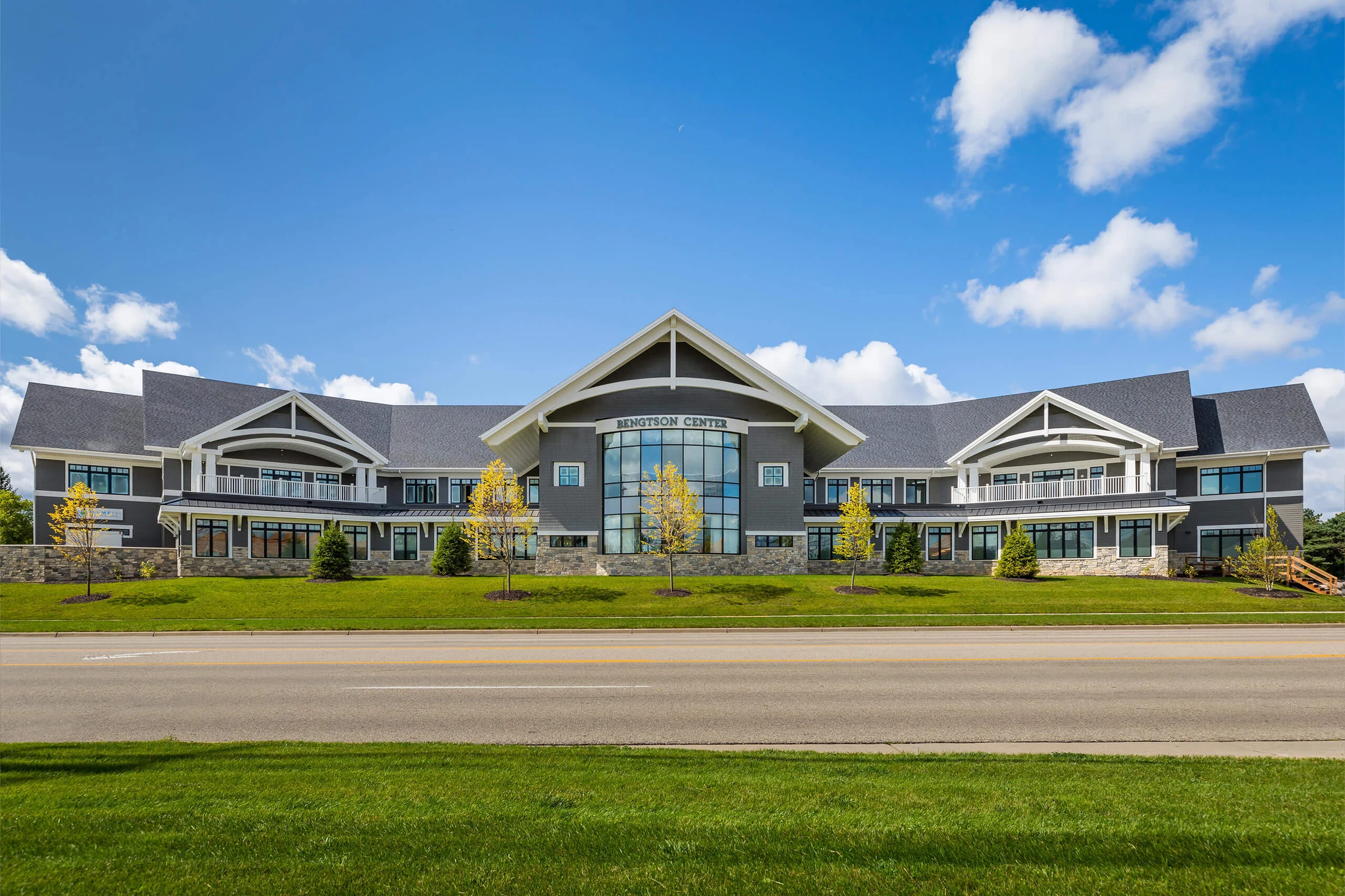
Buildings across Aurora's commercial stock, from the medical office parks around the Anschutz Medical Campus to the distribution buildings lining the DIA and E-470 corridor, each carry roof systems that read differently under storm damage. We walk the roof with you and, where scheduling allows, with the adjuster directly, pointing out specific damage locations and explaining how the membrane in question typically fails under hail, wind, or freeze-thaw stress.
Our role in that meeting is describing what's present on the roof and why, not predicting what the carrier will approve. An adjuster who can see the damage explained in plain terms, with the specific membrane behavior called out, generally moves through the review faster than one working from vague notes.
Framing the Full Scope Beyond the Obvious Damage
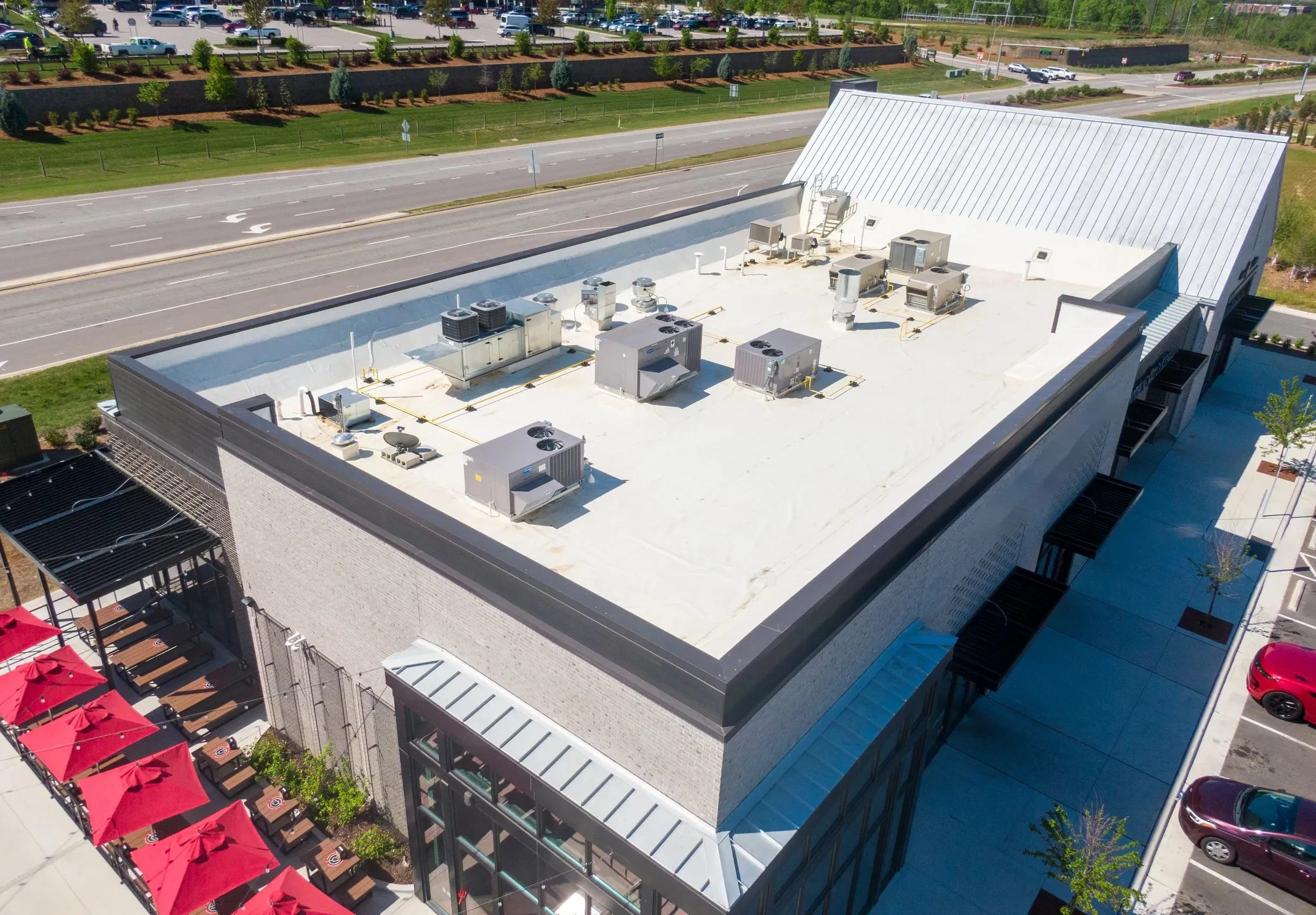
A roof claim that only accounts for the most visible damage tends to come up short. On a warehouse or logistics building along the Buckley Space Force Base perimeter or out toward the airport corridor, a hailstorm rarely limits its impact to one section of membrane. Edge metal, coping, rooftop curbs, and drainage components take damage too, and a scope that misses those leaves gaps that show up as leaks later.
We document the complete extent of what a storm actually did, including code-required upgrades and matching that the repair scope needs to account for, so the claim reflects the true scope rather than only what's obvious from ground level. That's the extent of what "complete" means here: nothing legitimate left off the record, not a promise about what a carrier will ultimately pay.
When a Claim Comes Back Denied or Underpaid
A denied or underpaid claim is often a documentation gap rather than a dead end. If a carrier's initial review missed damage, misclassified a failure type, or lacked measurements to support the reported area, we can go back out, re-document, and provide the additional detail an owner's appeal or reconsideration request typically needs.
We can't guarantee that additional documentation changes a carrier's decision, and any contractor who promises a specific payout outcome isn't being straight with you. What we can do is make sure the technical record supporting your position is as complete and clearly presented as we can make it.
- Roof walk with dated, section-organized photo documentation
- Measurements of affected area by damage type and location
- Written findings describing failure mechanism for each membrane involved
- On-site technical support during the adjuster's inspection
- Full-scope repair estimate covering code and matching requirements
- Re-documentation support if a claim comes back denied or underpaid
Commercial Roof Insurance Claim Questions
Do you file the insurance claim for me?
No. Filing the claim and communicating the initial loss to your carrier is between you and your insurance company. We handle the roof-side documentation and technical assessment that supports the claim once it's underway.
Will you negotiate with my insurance company on my behalf?
We don't negotiate claim value or act as your advocate with the carrier. We're a roofing contractor, and our role is describing roof condition and damage accurately so you and your adjuster are working from the same facts.
What if the adjuster's scope misses damage you documented?
We can point out the gap with our own documentation and provide additional detail to support a reconsideration, but the decision on what the claim ultimately covers belongs to your carrier.
How is this different from a public adjuster?
A public adjuster represents you in negotiating the claim itself. We're the roofing contractor providing the technical inspection, photo documentation, and repair scope the claim is evaluated against, without taking on that advocacy role.
Do you work on buildings across the whole east metro, beyond Aurora proper?
Yes. We document and assess roof damage on commercial buildings across the east Denver metro, including the areas around Buckley Space Force Base, the Anschutz Medical Campus, and the DIA and E-470 logistics corridor.