Storm Damage Roof Repair in Colorado's Hail Alley
Aurora sits inside the stretch of the Front Range the insurance industry has long called hail alley, and commercial roofs here take repeated hits over their service life rather than the occasional isolated storm other markets deal with. Storm damage repair in this market has to account for that cumulative pattern, rather than only the most recent event.
Aurora Sits Inside One of the Country's Most Hail-Exposed Corridors
The Denver metro area, including Aurora, sees hail activity concentrated heavily in the late spring and summer months, driven by the same convective storm patterns that build over the plains east of the Rockies and move through the metro with little warning. A clear morning here can turn into a hail-producing storm cell within a couple of hours.
That frequency changes how we think about roof condition. A membrane's remaining service life on a building in this corridor has to be evaluated against its actual hail exposure history, rather than only its printed warranty term, because a roof that's absorbed several storm events ages differently than the warranty number alone would suggest.
The 2017 Denver-Metro Hailstorm and What Repeated Cycles Mean for Roofs
The May 2017 hailstorm that moved through the Denver metro area remains one of Colorado's costliest insured weather events on record, and it's a useful reference point for what a single severe event can do across thousands of commercial and residential roofs at once. Buildings across the metro, including in Aurora, took direct impacts that day.
What matters for a roof owner today goes beyond that single event, though. It's the pattern of storms since, and the ones still to come. A roof repaired or replaced after 2017 has likely absorbed additional hail seasons since, and each one adds to the cumulative wear that eventually drives another repair or replacement decision.
We treat every storm damage assessment as part of that longer pattern, checking for fresh impact and for how the current storm interacts with damage the roof may already be carrying from prior seasons.
Reading Hail Damage on Different Membrane Types
TPO and PVC single-ply membranes show hail impact as bruising, sometimes visible only as a slight surface depression that doesn't break the membrane but has compressed the underlying insulation and weakened that spot for future failure. We probe suspected impact points rather than relying on surface appearance alone.
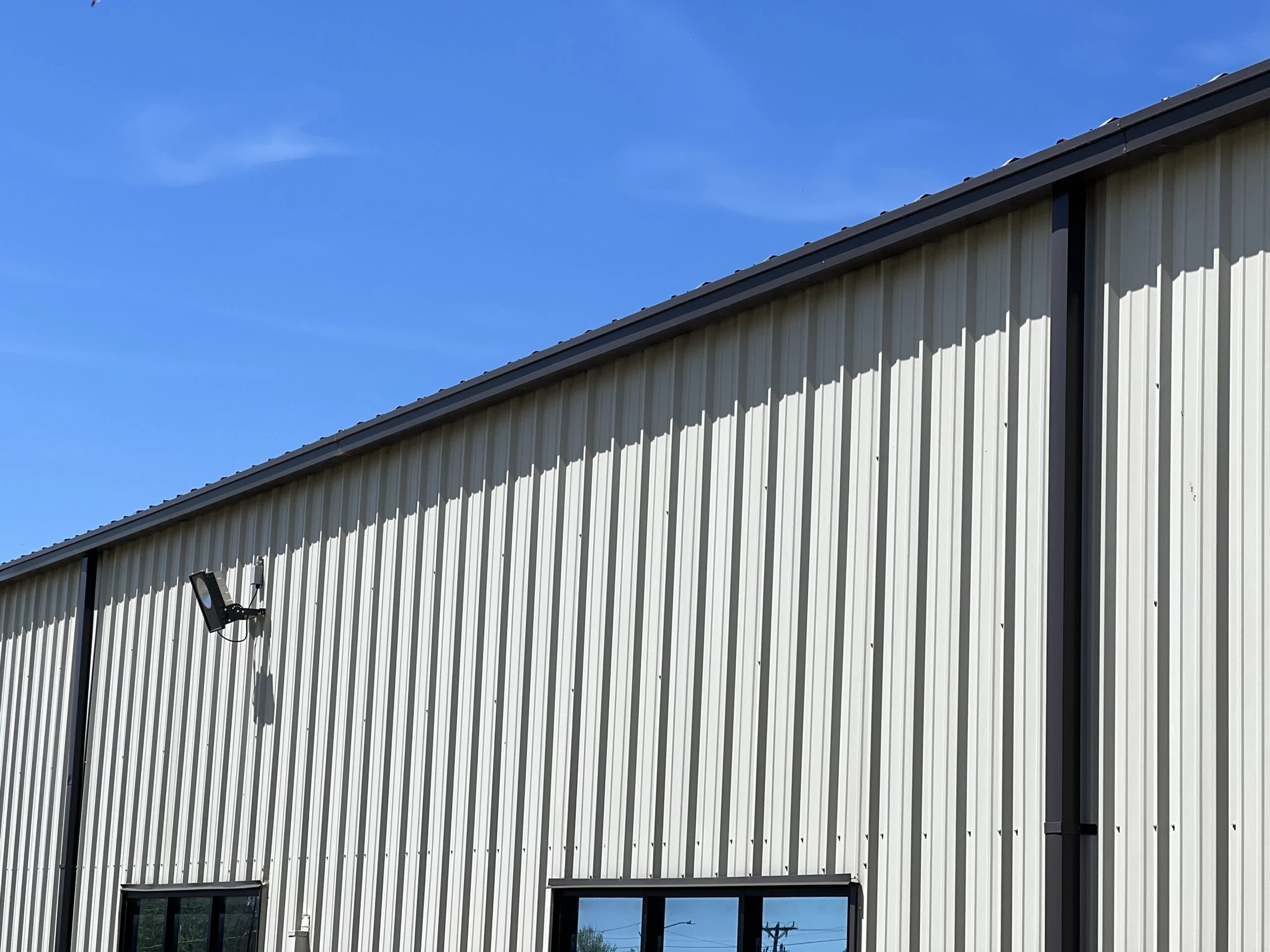
EPDM shows hail damage differently, often as fractures or splits at the impact point that are easier to see but can be mistaken for general aging if the inspector isn't specifically checking for storm patterns. Metal panel roofing dents visibly, which makes assessment more straightforward but doesn't mean the damage is only cosmetic, since a dented panel can develop a fatigue crack over time.
Built-up and modified bitumen roofs show hail impact as accelerated granule loss and mat exposure concentrated where the storm's hail stones were largest, which is often not evenly distributed across the field and requires a full walk to map accurately.
- Full-field walk mapping impact density and pattern rather than sample spots alone
- Membrane-specific damage check based on system type
- Edge metal, coping, and parapet wall damage from wind-driven hail
- Rooftop equipment and curb flashing check for impact and wind damage
- Comparison against prior repair or storm history where available
- Photo documentation organized by roof section for the record
Wind Damage Beyond the Hail Story
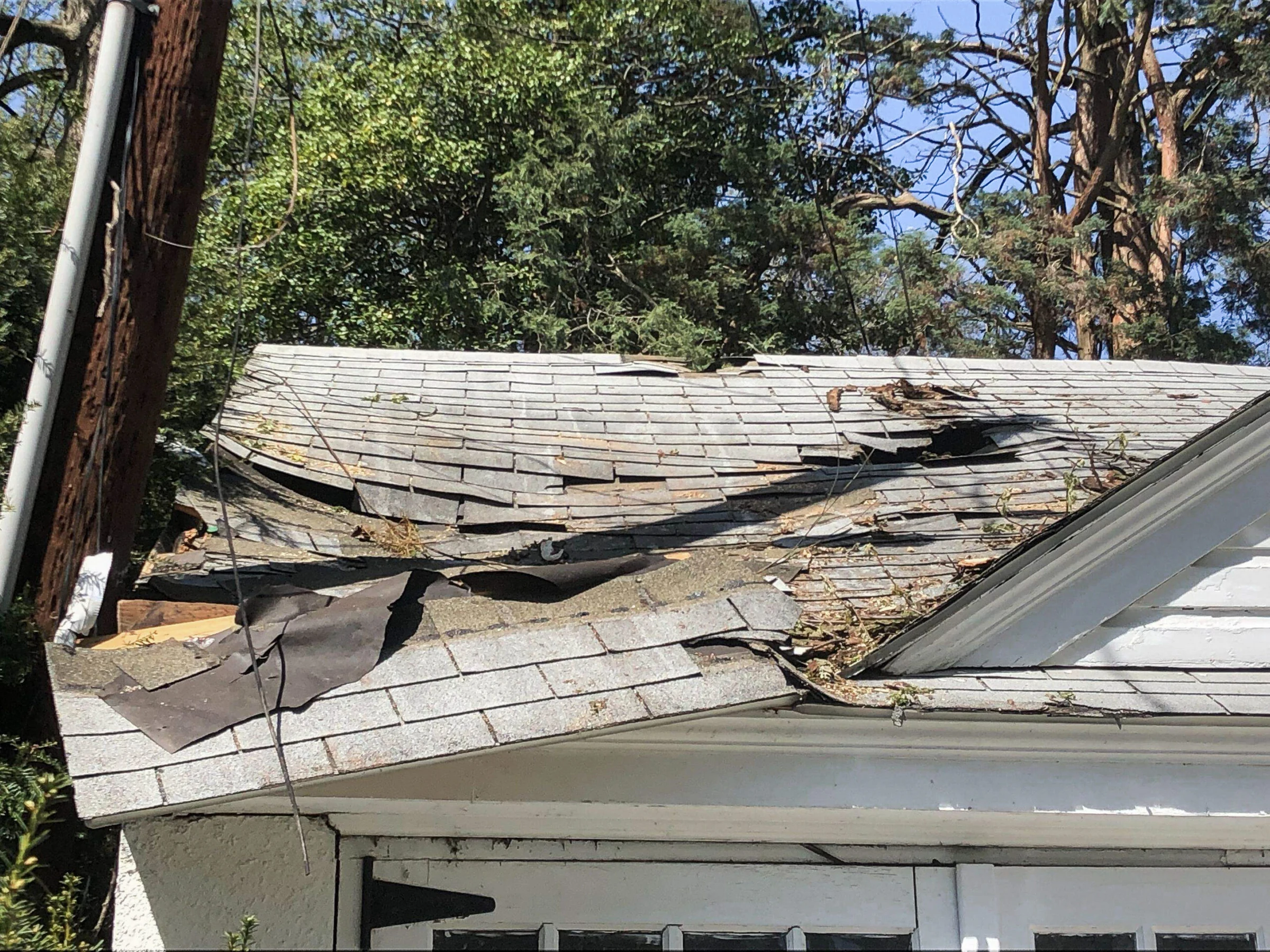
Hail gets most of the attention in this market, but the chinook winds that move down off the Front Range can produce gusts strong enough to lift membrane edges or peel metal panels without any hail involved. Those wind events happen year-round, rather than only during the summer storm season.
A storm damage assessment after a high-wind event checks edge securement, fastener patterns, and flashing attachment specifically, since wind failure often starts at a detail rather than across the open field the way hail damage typically does.
From Storm Assessment to Repair Scope
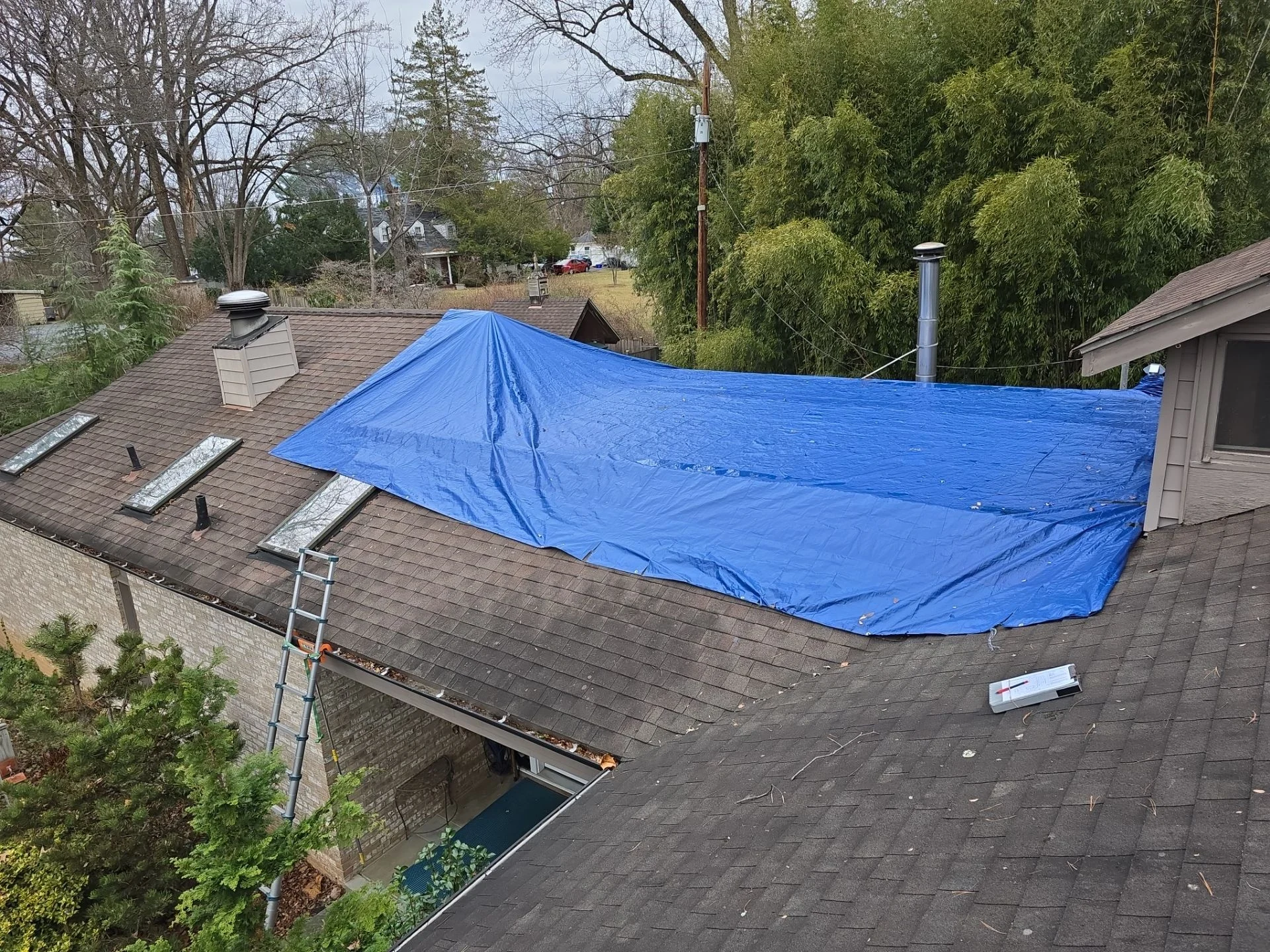
Once damage is documented, we separate what needs immediate repair to stop active water intrusion from what can be scheduled as part of a broader repair or replacement scope. Not every hail-damaged roof needs full replacement; some need targeted repair at the specific impact points that broke through, with the rest of the field monitored going forward.
Where the damage is widespread enough that repair no longer makes economic sense against replacement, we lay out that comparison plainly, using the same lifecycle thinking we apply to any reroofing decision rather than defaulting to the more expensive option.
Storm Damage Questions From Aurora Building Owners
How can you tell hail damage from normal roof aging?
Hail damage shows a pattern tied to storm direction and hail stone size, often concentrated on specific slopes or roof sections, while general aging is more evenly distributed. We document both separately so the distinction is clear in our findings.
Does every hailstorm require a roof inspection?
Not every storm causes damage significant enough to need repair, but any hail event large enough to be noticeable on the ground is worth a roof check, especially since some impact damage doesn't show as a leak right away.
Why does Aurora see so much hail compared to other parts of the country?
The Front Range sits in a corridor where warm, moist air moving up from the plains collides with cooler air off the mountains, producing strong convective storms through late spring and summer. That geography is why this stretch of Colorado sees hail activity more often than most of the country.
Can a roof that's already been hail-damaged before take more damage in a new storm?
Yes, and it's a real consideration in this market. A membrane weakened by a prior hail event has less capacity to absorb a new one at the same spot, which is why we check storm history when assessing new damage rather than treating each event in isolation.
Do you repair storm damage or only assess it?
Both. We handle the assessment and documentation, and we also perform the repair or replacement work once the scope is agreed on, so the process moves from finding to fix without switching contractors mid-project.