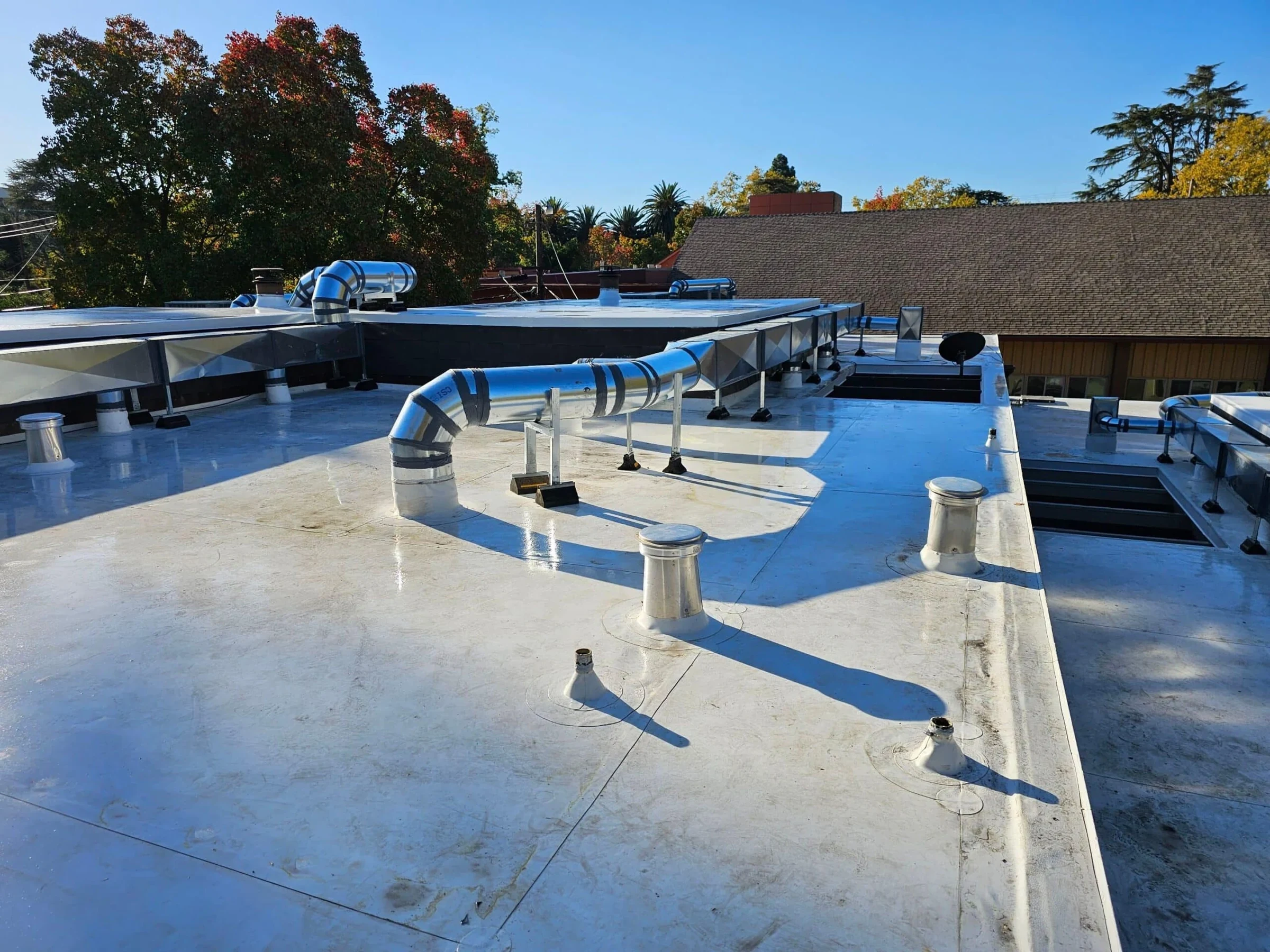
60-Mil TPO for Aurora Commercial Reroofs
Sixty-mil TPO is the base thickness most commercial roofing bids in Aurora start from. It is the entry gauge in almost every manufacturer's single-ply line, and for the right building it is the correct call, priced right rather than merely cheap.
Where the 60-Mil Line Item Belongs
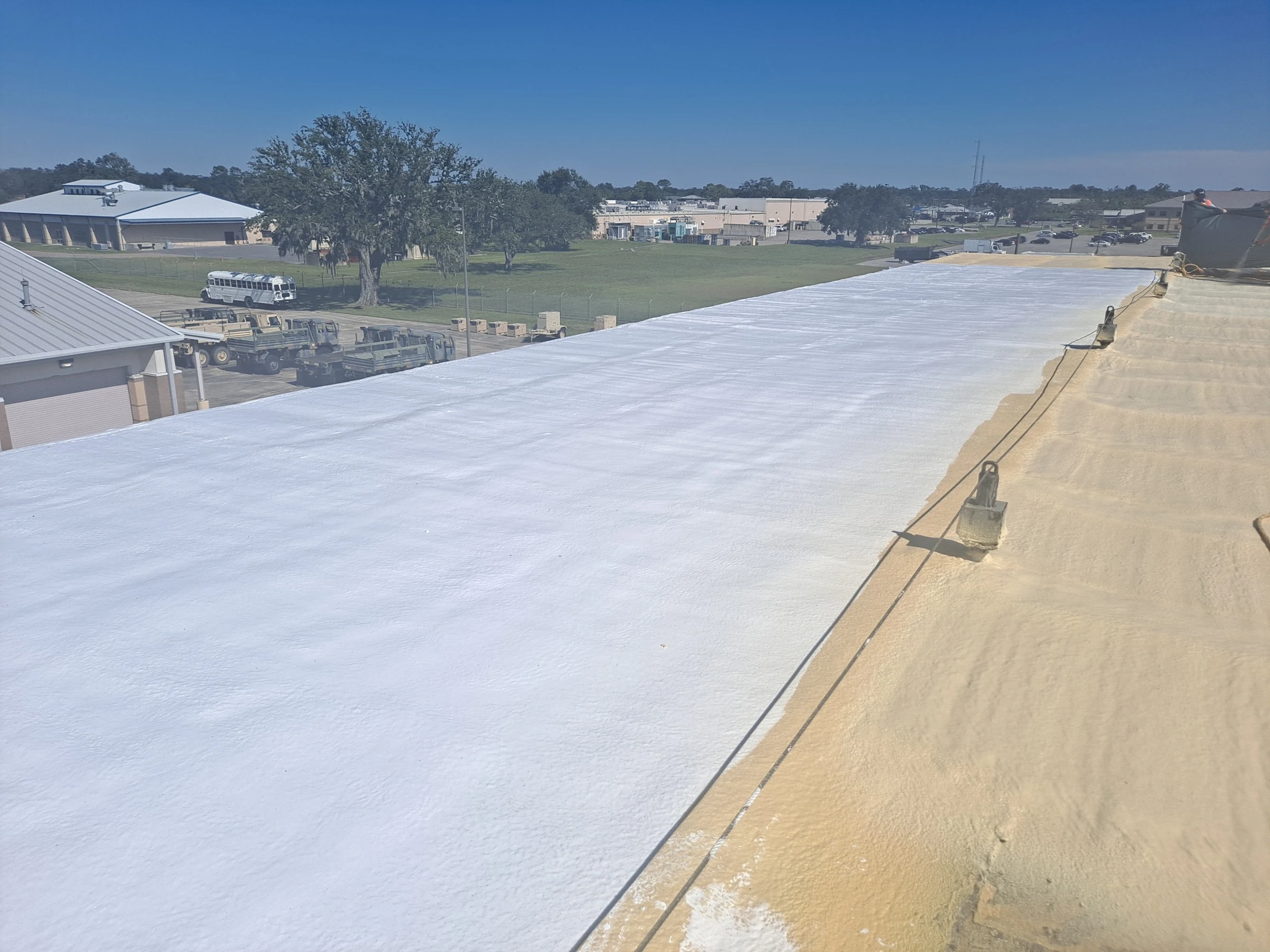
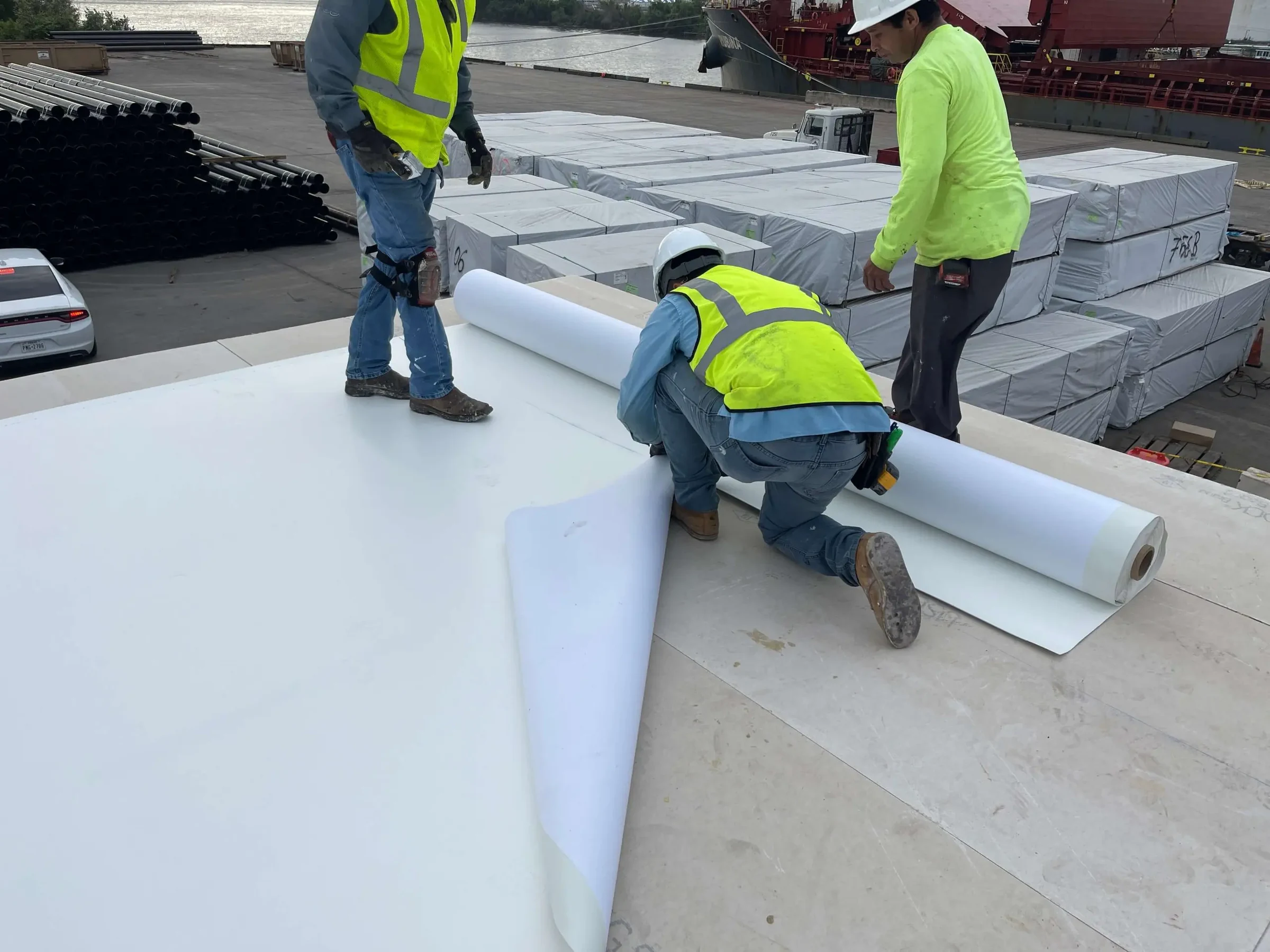
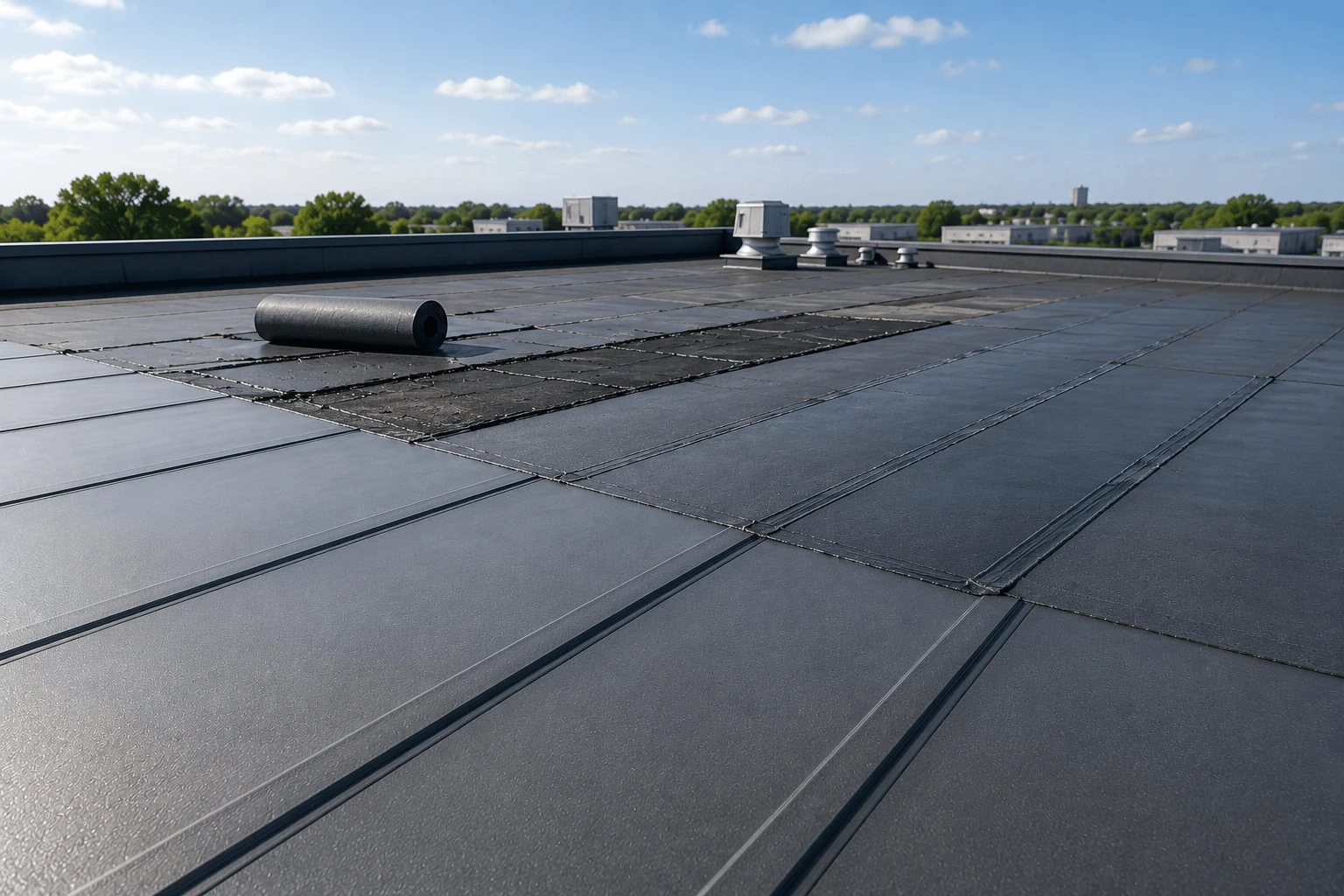
We spec 60-mil TPO most often on roofs with predictable traffic, adequate slope to drain, and no heavy rooftop equipment load riding on the membrane. Office parks along the Meridian and Inverness corridors, retail pads at Southlands, and low-slope strip centers around Thornton fit that profile. The membrane is a 10-foot-wide sheet, hot-air welded at roughly 1.5-inch seams, mechanically attached or fully adhered depending on the deck and the wind-uplift design pressure for that address.
What we do not do is drop 60-mil onto a roof with a documented hail history and call it a savings. The gauge decision has to match the exposure, and the square footage on the takeoff sheet is only part of that call.
Impact Class and Where 60-Mil Sits
UL 2218 rates prepared roof coverings on a Class 1 through Class 4 scale for resistance to steel-ball impact, and FM 4473 runs a parallel test using ice balls sized to simulate hailstones. Sixty-mil TPO can carry a Class 4 rating in some manufacturer assemblies, but it depends heavily on the cover board underneath it, not the membrane alone. A thin gauge over a soft polyiso board tests differently than the same membrane over a high-density cover board.
Denver-metro sits inside what property insurers refer to as hail alley, and Aurora takes its share of that exposure every storm season. Before we commit a roof to 60-mil, we walk the deck assembly and confirm what is underneath the membrane, because that layer often does more for impact performance than the top-ply thickness itself.
UV Exposure at Altitude
Aurora sits around 5,400 feet, and the UV load on a rooftop up here is measurably higher than the same membrane would see at sea level. TPO's top ply is compounded with UV stabilizers, but thinner gauges have less material to sacrifice to weathering before the reinforcing scrim starts to show. White TPO reflects a large share of that solar load back off the roof, which keeps membrane surface temperature down and slows the long-term embrittlement that eventually shows up as seam edge lift.
We factor the reroof interval into the budget conversation from day one. A 60-mil membrane on a well-drained, low-traffic roof can run a full service life comparable to heavier gauges, but the margin for error on foot traffic and equipment abuse is thinner.
Cold-Weather Welding and Freeze-Thaw
Colorado's front range swings 40 degrees or more in a single day during shoulder seasons, and that freeze-thaw cycling puts real stress on seam integrity over the life of a roof. Hot-air welding TPO seams requires the membrane surface to be within a workable temperature range, which narrows our install windows in the colder months. On winter jobs we adjust welder settings, test seams more frequently, and sequence the work to keep uncured seams protected from overnight freeze.
Once the seam is welded and probed, the freeze-thaw exposure going forward is mostly a non-issue for TPO. The membrane stays serviceable across the swing; the risk window is during installation, not twenty years into the warranty.
- Low-slope retail pads with adequate positive drainage
- Single-story office buildings without heavy rooftop mechanical loads
- Warehouse annex space with a documented, low hail-loss history
- Reroof budgets where capital is constrained but wind design pressure allows the gauge
- Recover projects over a sound, dry existing insulation layer
Lifecycle Cost Per Square Foot
On a straight material and labor basis, 60-mil TPO usually prices below 80-mil by a meaningful margin per square foot, and that gap matters on a large distribution roof. The question we walk owners through is not the install-day number, it is the cost per square foot amortized over the expected service interval, including the likelihood of a hail-driven mid-life recover.
For a building with low hail exposure and light traffic, 60-mil often wins that comparison outright. For a building sitting in a heavier-loss zone, the lifecycle math can flip toward the thicker gauge even though the upfront number is higher. We run both numbers before we recommend either one.
Questions Aurora Owners Ask About 60-Mil TPO
Is 60-mil TPO too thin for a Denver-metro hailstorm?
Not automatically. Impact performance depends on the full assembly, including the cover board, not the membrane gauge alone. We review both before recommending a thickness.
Can 60-mil TPO be installed in the winter?
Yes, with adjusted welder settings and more frequent seam testing. We sequence winter work to keep unwelded seams protected from overnight temperature drops.
Does white TPO cost more than gray or tan membrane?
Pricing varies by manufacturer and order volume at the time of purchase. We quote the specific membrane color and gauge on the estimate rather than assuming a flat premium.
How long does a 60-mil TPO roof typically last in Aurora's climate?
Service life depends on traffic, drainage, and hail exposure more than on climate alone. We base the estimate on the specific roof, not a blanket number.
When does it make sense to upgrade from 60-mil to 80-mil?
When the roof sits in a documented higher hail-loss area, carries heavier foot traffic, or when the lifecycle cost comparison favors the thicker gauge over the expected hold period.