Hail Damage Roof Insurance Claims in Aurora, CO
Hail is the peril that drives the majority of commercial roof claims we see in this market. Aurora sits inside the Front Range corridor the insurance industry calls hail alley, and the claim process for hail damage here runs into a specific problem other markets don't deal with as often: separating fresh impact from the marks left by a roof's last three or four seasons of storms.
Bruising Versus Puncture on TPO and EPDM
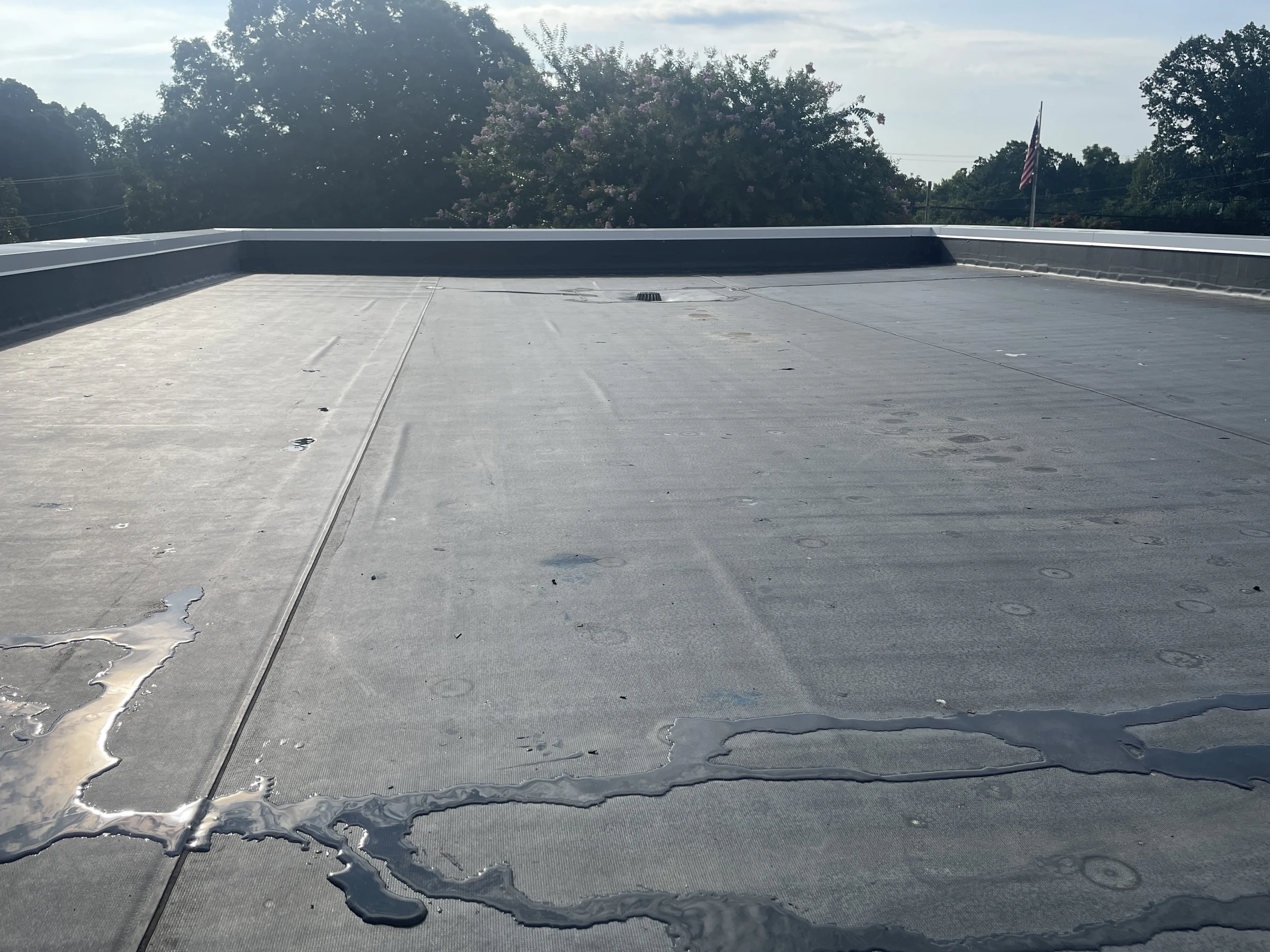
The single-ply membranes common across Aurora's business parks and medical office buildings near the Anschutz Medical Campus don't all show hail impact the same way. TPO usually bruises: a slight surface depression where the hail stone compressed the insulation underneath without breaking the membrane skin. That bruise won't leak today, but it's a weak point that fails later under foot traffic or thermal cycling, which is why a claim built only around active leaks understates the real damage.
EPDM tends to show impact differently, more often as an actual split or fracture at the strike point rather than a hidden bruise. That's easier to spot visually but easier to write off as general aging if the person inspecting isn't specifically checking for a storm pattern. We probe suspected impact points on both systems rather than relying on what's visible from a distance, since the difference between bruising and puncture affects how the damage gets documented and scoped.
Building the Claim Package in the Days After a Storm
Evidence degrades fast after a hail event. Continued roof traffic, weather, and time all work against clear documentation, so we prioritize getting on the roof in the days immediately following a significant hail event whenever we can. The package we build includes wide shots that establish overall roof condition and section context, close-up shots of individual impact points keyed to a location on the roof, and measurements of affected area broken out by damage type.
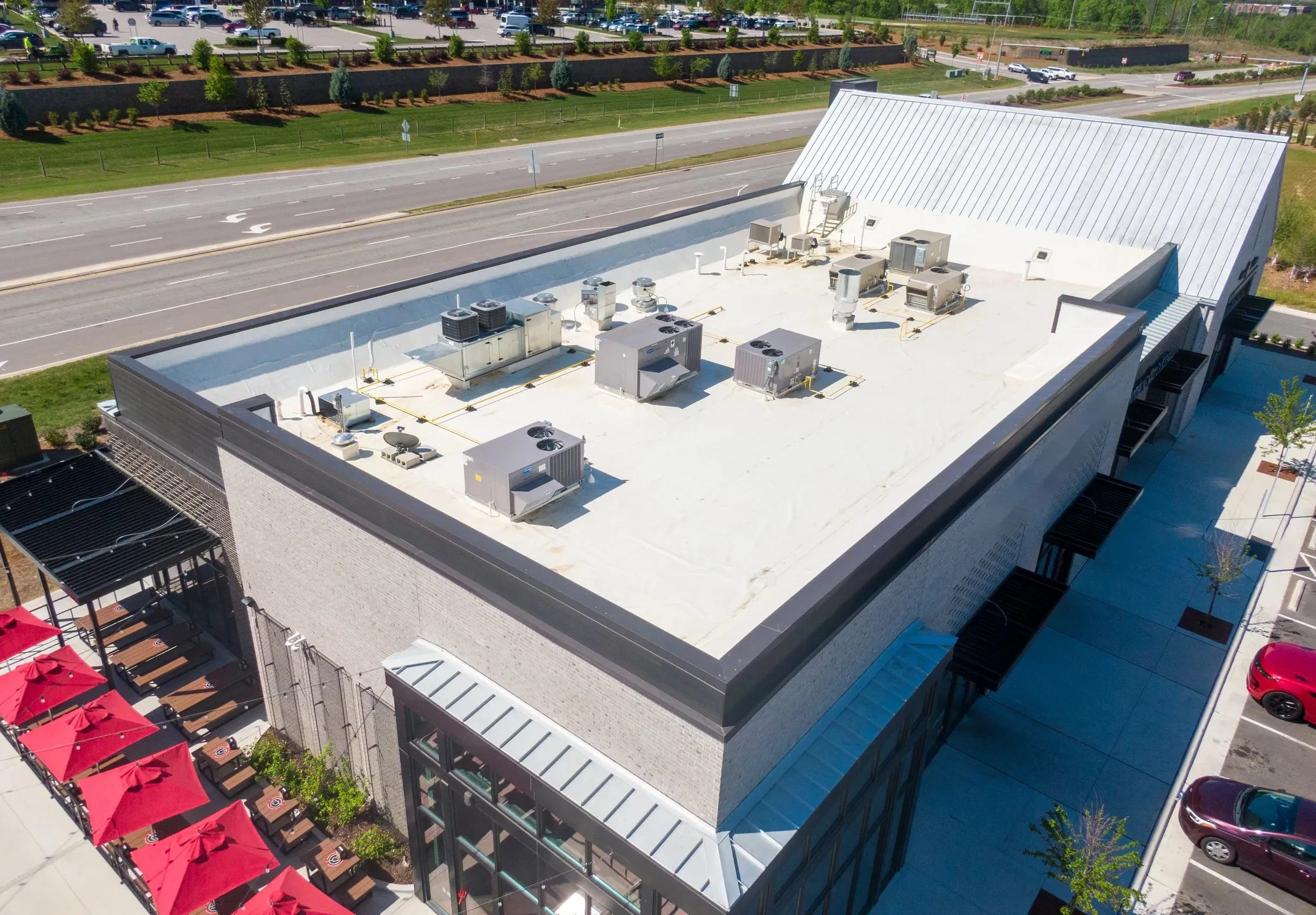
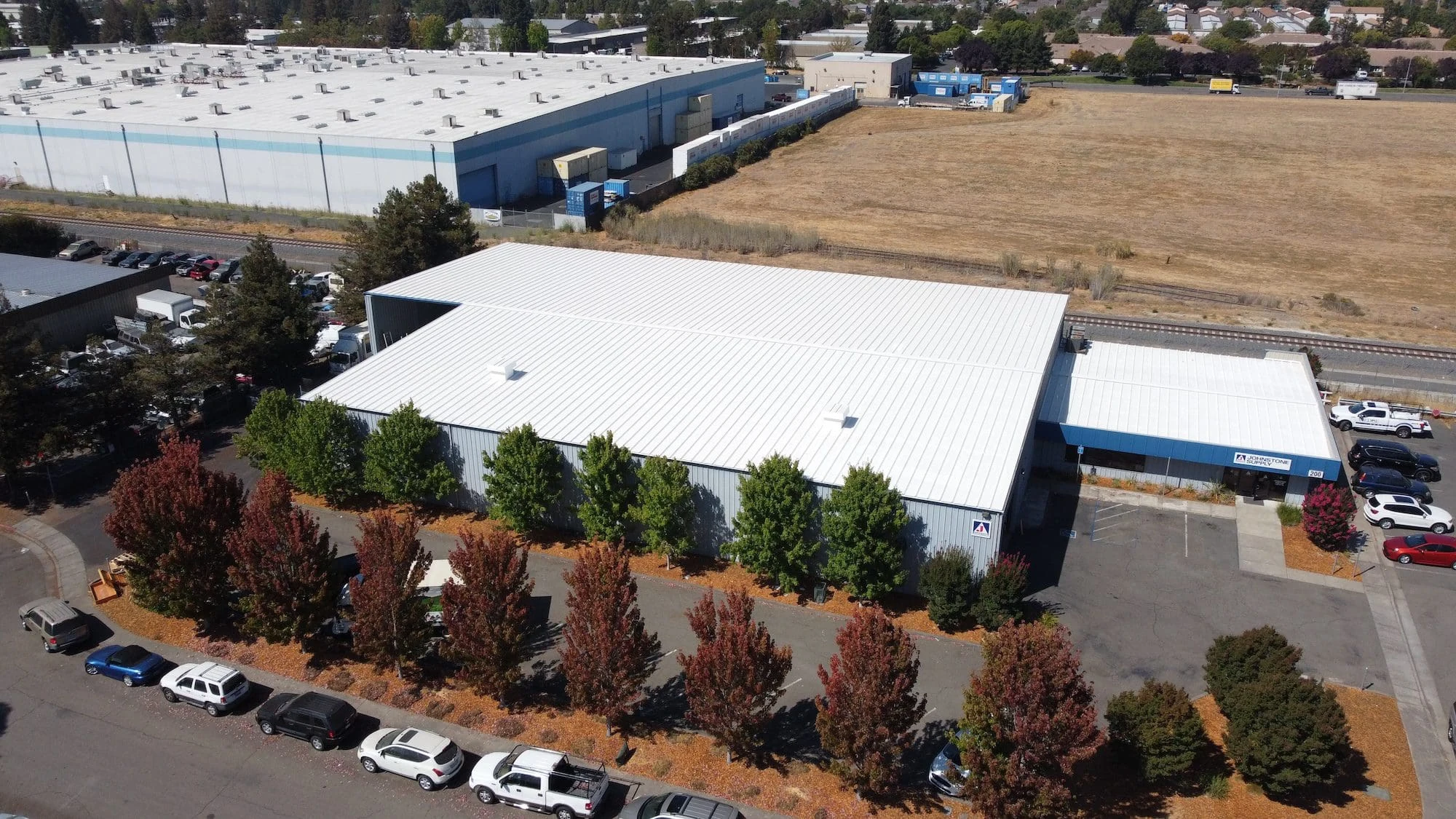
For buildings along the E-470 and DIA logistics corridor, where roof fields can run large across a single distribution building, that section-by-section organization matters even more. An adjuster reviewing a hundred-thousand-square-foot roof needs the damage mapped by zone, not handed a folder of unsorted photos and left to guess at pattern and density.
Distinguishing This Storm From the Last One
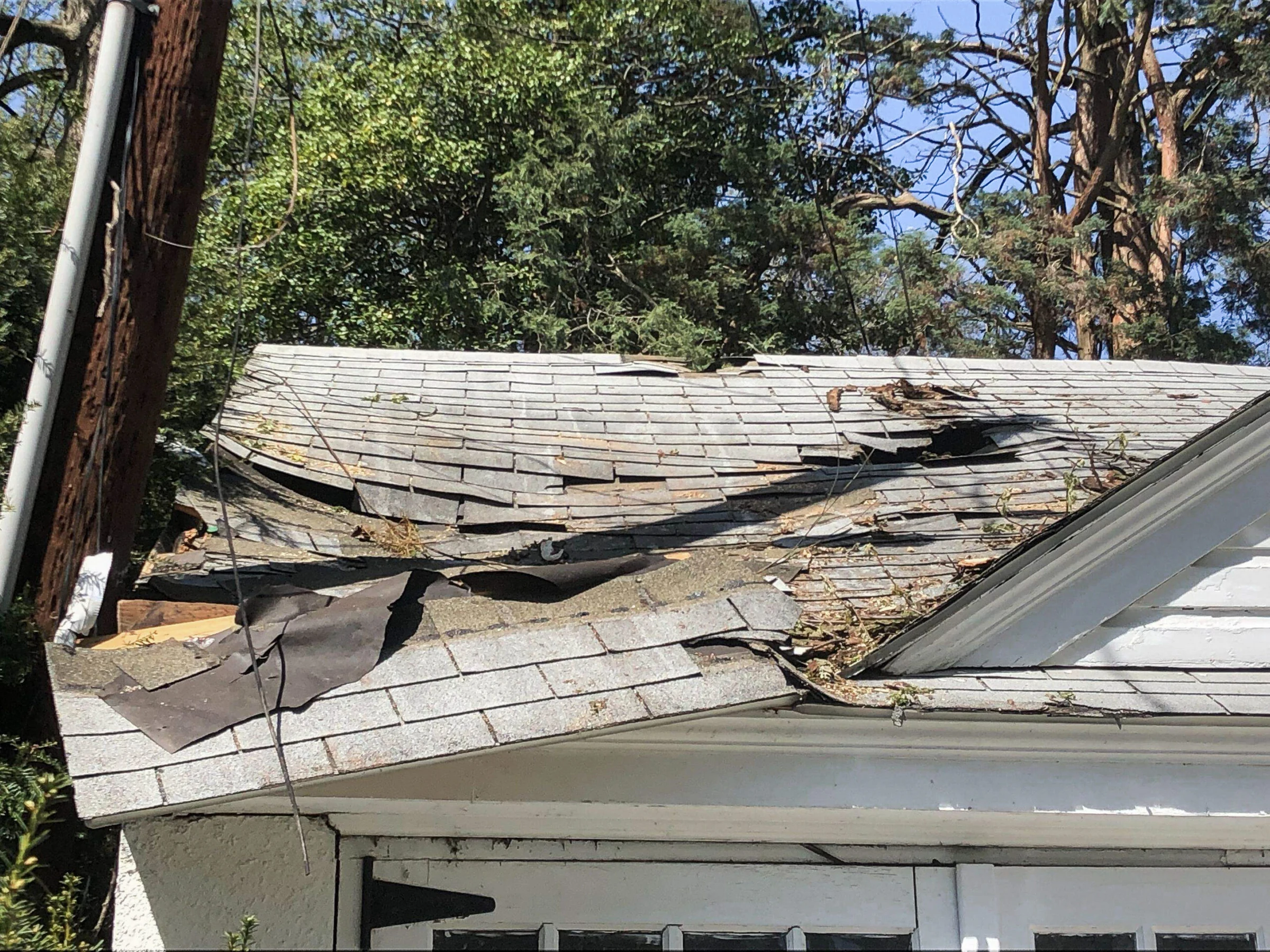
A roof near Buckley Space Force Base or anywhere else in this corridor that's taken hail before carries evidence of it: prior patch work, granule loss concentrated in older patterns, or membrane that's already been through a repair cycle. Insurance carriers want to know what's attributable to the current claim versus what predates it, and that distinction is where hail claims most often run into friction.
Where we have an existing inspection or maintenance record for a building, that history becomes part of the documentation, giving a dated baseline to compare the new damage against. Where we don't, we still note visible prior wear honestly rather than folding it into the current claim, since an inflated scope tends to draw more scrutiny, not less.
- Full roof walk mapping hail density and pattern by section
- Bruising versus puncture assessment specific to membrane type
- Comparison against any prior storm, repair, or inspection history
- Photo documentation timed close to the storm event itself
- Repair scope covering membrane, insulation, and affected flashing details
- On-roof support during the adjuster's site visit
Hail Claim Questions From Aurora Building Owners
Can hail damage a roof without causing a visible leak?
Yes, and it's common on single-ply membranes. A bruised TPO field can look intact from the ground and still carry weakened spots that fail months later, which is why documentation right after a storm matters even when there's no active leak yet.
How do you tell hail damage from normal roof wear?
Hail damage shows a pattern tied to storm direction and hail size, often concentrated on certain slopes or sections, while wear is distributed more evenly across the field. We document both separately so the distinction is clear in the record.
Will you guarantee my hail claim gets approved?
No. We document the roof thoroughly and factually and provide a repair scope. The approval decision belongs to your carrier based on your policy terms, not to us.
What if my roof already had hail damage from a prior storm?
We document what appears consistent with the current event separately from older damage or repairs, using an existing inspection record where one exists to establish a baseline.
Do you handle the repair once the claim scope is settled?
Yes. We provide the documentation and assessment during the claim process and carry out the repair or replacement work once a scope is agreed on.