Roofing Support for Property Managers Running Multi-Building Portfolios
A regional property manager overseeing apartment complexes, retail strips, and office buildings spread from Thornton down through Highlands Ranch doesn't need a roofer who treats every job as a one-off. We work as an ongoing vendor across a portfolio, with pricing and response times that reflect a standing relationship instead of a cold bid every time.
Managing Roof Repairs Across a Multi-Building Suburban Portfolio
Different owners, different buildings, different roof ages, all funneling through one management office. We keep a condition record for every roof in a portfolio we service, so when a work order comes in from a specific property, we're not starting from zero on membrane type or repair history.
That record also helps a property manager answer the question an ownership group asks eventually: which properties in the portfolio need capital attention soon, and which can run on repair-and-maintain for another few years.
We also flag properties where a change of ownership or a new management contract left a gap in the roof's paper trail, since a management office taking over a building mid-lease often doesn't inherit a clean maintenance history from the prior manager.
Preventive Maintenance Contracts That Reduce Emergency Calls
A scheduled inspection twice a year catches loose flashing, clogged drains, and membrane wear before they turn into a tenant's emergency call on a Saturday. We price maintenance contracts by portfolio size, since a property manager running fifteen buildings gets a different rate structure than one running three.
Drain and scupper checks matter more here than on a lot of commercial roofs, because a clogged drain on a flat multifamily roof during a spring snowmelt or summer downpour turns into standing water fast, and standing water is what ages a membrane faster than almost anything else.
Responding When a Tenant Reports a Leak on a Managed Property
A leak call routed through a management office needs a fast answer, because the property manager is fielding the tenant's frustration in real time. We keep a response process built for that: confirm the affected unit and likely roof area over the phone, dispatch for a same-window inspection where the situation calls for it, and give the property manager a plain answer on cause and next steps they can relay to the tenant directly.
Where the leak traces back to something outside the roof itself, like a failed HVAC condensate line or a plumbing stack, we say so rather than scoping unnecessary roof work, since misdiagnosing the source only delays the actual fix and burns the tenant's patience further.
Coordinating with Ownership Groups on Capital vs Repair Decisions
Property managers usually don't have final authority on a capital roof replacement; that decision goes back to the ownership group. We give the property manager documentation built for that conversation: repair cost to date, remaining service life estimate, and a straight comparison of continuing repairs versus scheduling a reroof or recover.
A few data points that usually settle that conversation quickly:
- Total repair spend on the roof over the past two to three years
- Current membrane condition and estimated remaining service life
- Cost comparison between continued repair and a recover or full reroof
- Any drainage or structural issues that repairs alone won't resolve
- Timing options that align with lease renewals or seasonal occupancy patterns
Handing ownership a clear comparison, rather than just a repair invoice, tends to move a stalled capital decision faster than another round of patching.
Roofing Across Thornton, Northglenn, and Federal Heights Retail Strips
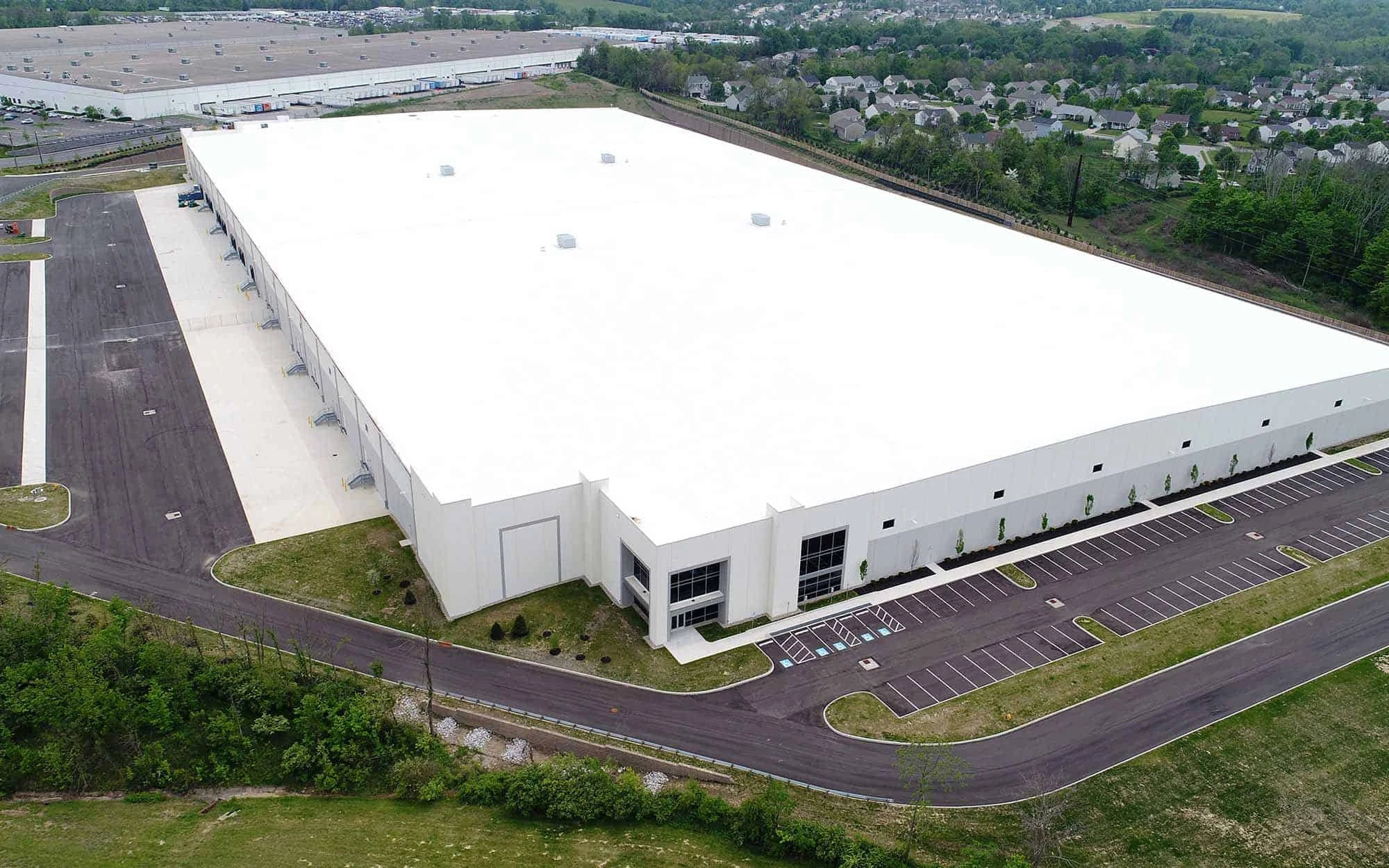
The retail and light-industrial strips running through Thornton, Northglenn, and Federal Heights carry a lot of aging built-up and modified bitumen roofs on buildings that changed ownership more than once without a full roof history following the sale. We start those properties with a baseline inspection to establish what's actually up there before proposing any maintenance plan, since a property manager inheriting a portfolio from a previous management company often doesn't have reliable roof records to start from.
Once that baseline is set, ongoing maintenance and repair calls get faster and cheaper, because we're not re-diagnosing the roof from scratch every time a work order comes in.
Up in Highlands Ranch and out toward Castle Rock, the portfolio mix shifts toward newer retail centers and office buildings alongside the hospital-adjacent medical space near UCHealth Highlands Ranch, which generally means younger roofs still under manufacturer warranty. We track warranty status alongside condition for those properties so a repair call doesn't accidentally void coverage a property manager didn't know was still active.
Questions Property Managers Ask Us Most
Do you offer portfolio-wide maintenance pricing instead of per-building rates?
Yes, we structure maintenance contracts by total portfolio size rather than pricing each building separately.
How fast can you respond to a tenant leak call?
We prioritize by severity and can usually get someone out for a same-window inspection when a tenant's living space or business operations are directly affected.
Can you provide documentation we can forward to an ownership group?
Yes, we write our reports for that audience specifically, with repair history, condition, and cost comparisons laid out plainly.
What if a building we've inherited has no roof history on file?
We start with a baseline inspection to document current condition, which becomes the new record going forward.
Do you handle both multifamily and retail roofs, or specialize in one?
Both. The membrane systems and repair approach overlap significantly, though multifamily roofs tend to need closer drain monitoring given occupancy density.