Johns Manville: A Roofing Manufacturer Headquartered in Our Own Market
Johns Manville is genuinely local to this market, headquartered in Denver and operating as a Berkshire Hathaway company. That is not a partnership claim, just a fact that shows up in practical ways when we spec their products on Aurora roofs.
What Local Headquarters Actually Changes
A manufacturer headquartered in Denver does not change the chemistry of a TPO membrane, but it can shorten the practical distance between a specification question and an answer, and it can mean shorter freight lines for large material orders on distribution-scale jobs along the DIA corridor. We are not claiming a special relationship or preferred-contractor status with Johns Manville; we are noting a geographic fact that occasionally simplifies logistics on a large order.
For a facilities manager comparing manufacturers, the practical benefit is usually about lead time on a large or unusual material order rather than anything about the finished roof's performance. A membrane manufactured in Denver and one manufactured out of state can end up on the same truck schedule depending on distributor stock at the time of the order.
Product Lines We Quote Most Often
Johns Manville manufactures across TPO, EPDM, PVC, and modified bitumen product lines, along with a substantial cover board and insulation product range under their DynaBase and related product names. That breadth means we can spec a full assembly, membrane through cover board, under one manufacturer on projects where a matched, tested assembly matters for a hail-impact rating.
TPO Line for Warehouse and Retail Roofs
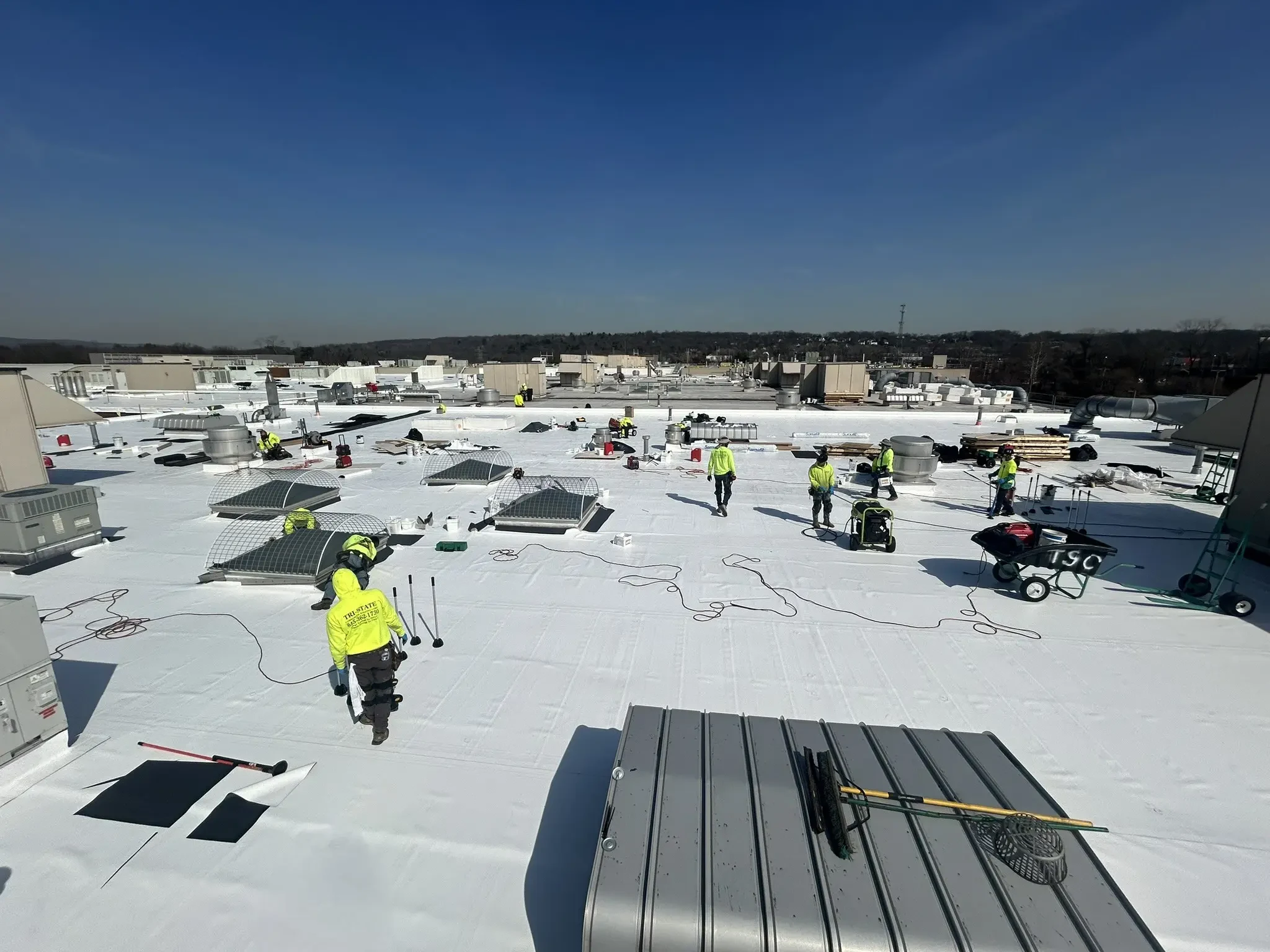
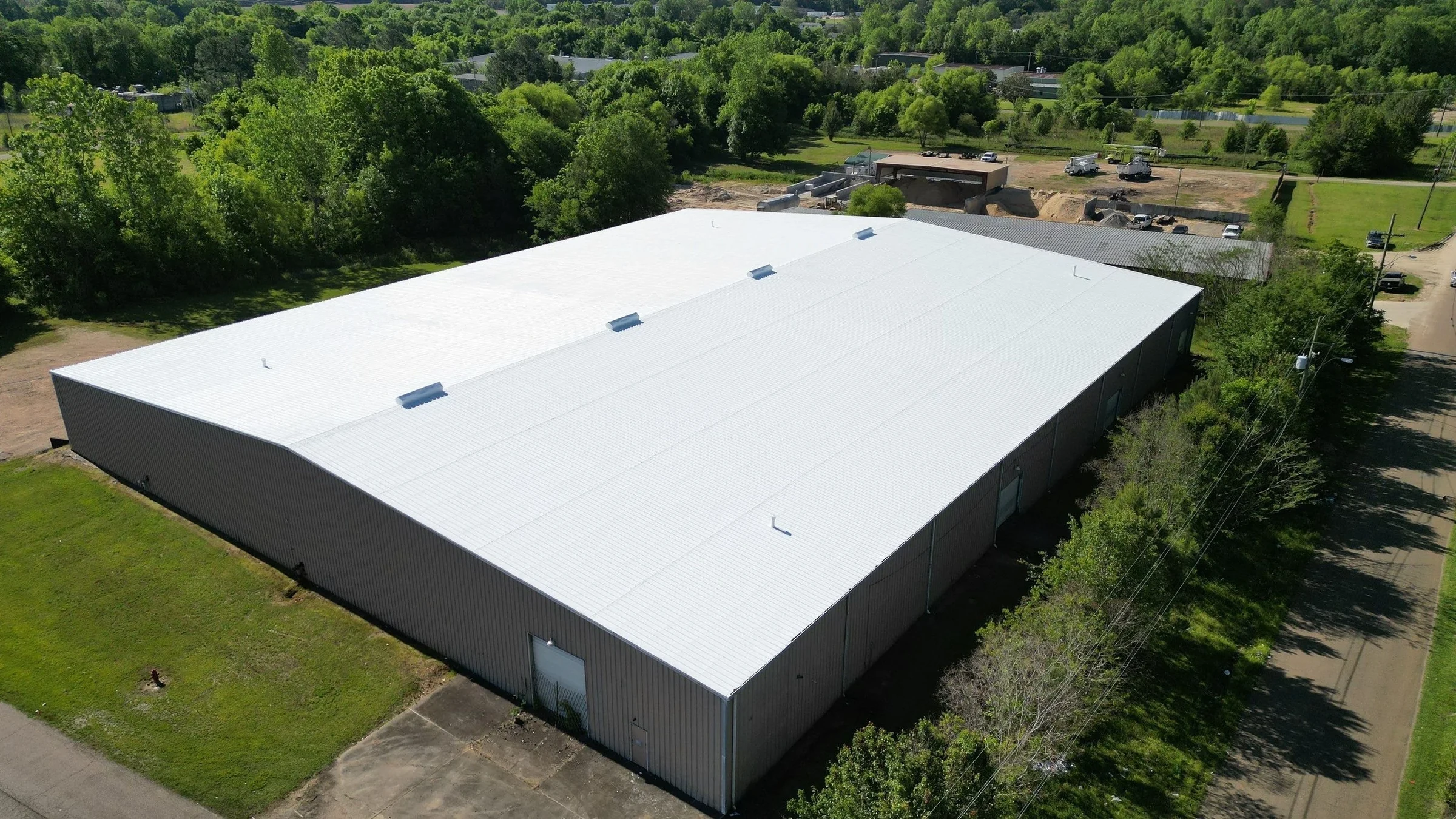
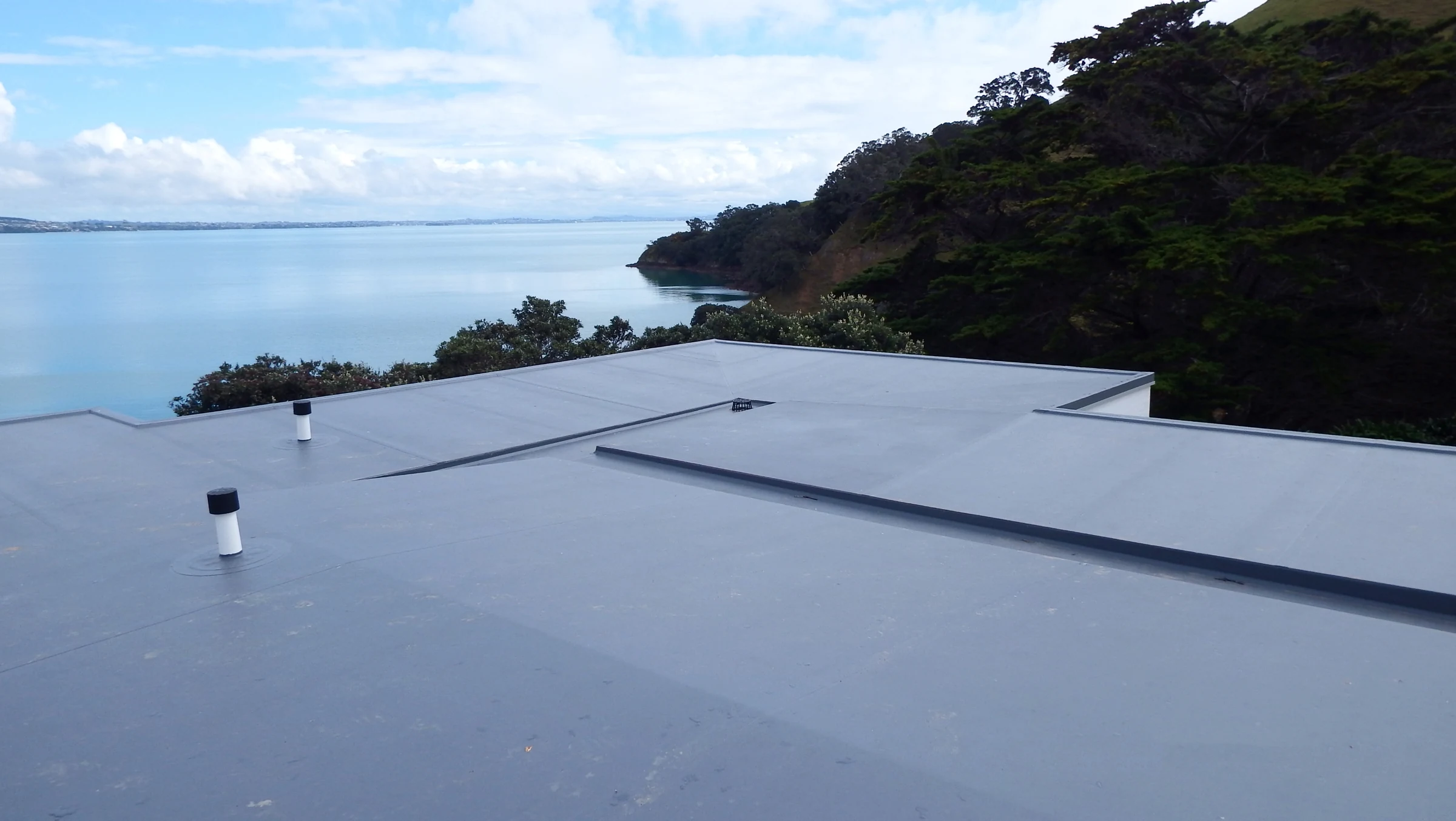
Johns Manville's TPO membrane line covers the gauge range we spec most often on Aurora-area warehouse and retail roofs, from standard 60-mil sheet through heavier 80-mil options for higher-exposure buildings. We quote their TPO alongside other manufacturers on most estimates, and gauge selection follows the same exposure-based logic regardless of which manufacturer ultimately gets specified.
Insulation and Cover Board Range
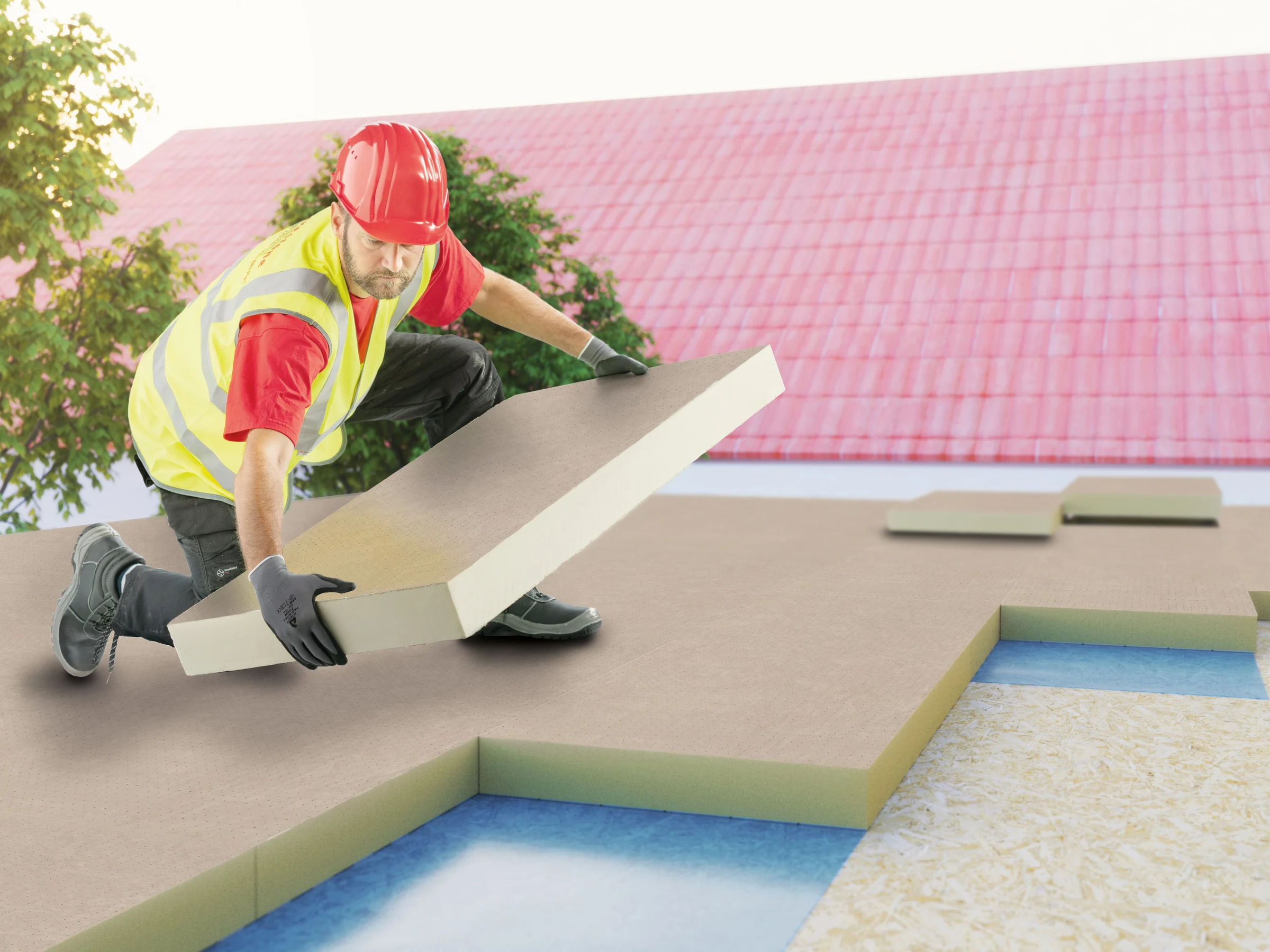
Beyond membrane, Johns Manville's insulation and cover board products factor into a large share of our roof assemblies even when the field membrane comes from a different manufacturer, since insulation and cover board choices are frequently specified independently of membrane brand based on R-value, density, and impact-performance requirements for the specific roof.
Modified Bitumen and Built-Up Options From the Same Manufacturer
Johns Manville also manufactures modified bitumen base and cap sheets alongside their built-up roofing components, which comes up on older institutional buildings around Aurora still carrying original built-up roof assemblies from decades ago. When a building's existing roof history includes multiple built-up layers, having a manufacturer that covers both the legacy system and the modern single-ply alternatives lets us present a genuine like-for-like recover option alongside a full conversion to single-ply, rather than steering every recommendation toward whichever system happens to be easiest for us to source.
That range matters most on municipal and older commercial buildings where the roof has been patched and re-patched over the years by different contractors using different materials, since matching a compatible product to whatever is already up there can be the difference between a straightforward recover and a project that requires stripping the roof to bare deck.
- Distribution and warehouse roofs where matched membrane and cover board assemblies matter
- Large material orders where regional manufacturing can simplify logistics
- Projects specifying JM insulation or cover board independent of membrane brand
- Retail and office roofs needing a standard TPO gauge range
- Multi-product assemblies where one manufacturer covers membrane through insulation
How We Weigh Johns Manville Against Other Manufacturers
We do not default to Johns Manville because of the local headquarters; every estimate we write compares manufacturer options on membrane spec, cover board compatibility, and warranty terms, and JM's geographic proximity to Aurora is one practical consideration among several, not the deciding factor on its own. Pricing sits within the same competitive tier as the other major manufacturers in this market, and the final choice depends on the specific roof's exposure and the owner's budget.
Warranty terms follow the same tiered structure common across major manufacturers, with longer system-warranty coverage tied to installer certification and documented inspection steps during the job. We confirm our current certification standing with Johns Manville before quoting a specific warranty length, and we review that document with the owner alongside comparable warranty terms from other manufacturers before a final spec is chosen.
Johns Manville Questions From Aurora Building Owners
Is Johns Manville actually headquartered in Denver?
Yes. Johns Manville is headquartered in Denver and operates as a Berkshire Hathaway company. We note this as a geographic fact, not a special partnership claim.
Does being local mean Johns Manville products cost less?
Not necessarily. Pricing sits within the same range as other major manufacturers. Regional proximity can occasionally help with freight and lead time on large orders.
What product lines does Johns Manville manufacture?
TPO, EPDM, PVC, and modified bitumen membrane systems, along with a substantial insulation and cover board product range.
Do you always recommend Johns Manville because they are local?
No. We compare manufacturer options on every bid based on the specific roof's requirements, not on headquarters location alone.
Can Johns Manville insulation be used with a different manufacturer's membrane?
Yes, in many assemblies. Insulation and cover board are frequently specified independently of membrane brand based on performance requirements for the roof. They also still manufacture modified bitumen and built-up roofing products alongside their single-ply lines, which is useful on older institutional buildings still carrying original built-up or modified bitumen roof assemblies that need a compatible recover material.